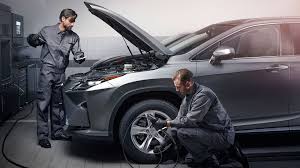
Maintaining a vehicle is more than just filling up the tank and washing the exterior. Regular maintenance ensures your car runs efficiently, lasts longer, and remains safe on the road. Understanding car service can seem overwhelming, but with the right knowledge, every driver can make informed decisions about their vehicle. This guide will walk you through everything you need to know about car service and how to make the most of it.
Understanding Car Service
Car service refers to the routine maintenance and inspection of a vehicle to keep it in optimal condition. It includes checking the engine, brakes, tires, fluids, and other critical components. Car service is not just about fixing problems; it’s about preventing them. By scheduling regular check-ups, you can identify minor issues before they turn into costly repairs.
Different types of carservice are available depending on your car’s age, mileage, and manufacturer recommendations. Generally, carservice is categorized into basic servicing, intermediate servicing, and major servicing. Basic servicing covers oil changes, fluid top-ups, and inspection of essential systems. Intermediate servicing goes further, including brake checks, battery testing, and air filter replacements. Major servicing involves comprehensive inspections of all systems, including engine diagnostics and suspension checks.
Importance of Regular Car Service
Regular car service is crucial for several reasons. First, it ensures safety. Brakes, tires, and lights are inspected during routine service, reducing the risk of accidents. Second, it enhances performance. A well-maintained car runs more efficiently, providing better fuel economy and smoother rides. Third, it prolongs the life of your vehicle. Consistent carservice prevents wear and tear from escalating into major mechanical failures. Finally, regular maintenance helps maintain your car’s value. When it comes time to sell or trade in your vehicle, a well-documented service history increases its resale value.
Neglecting car service can lead to unexpected breakdowns, expensive repairs, and even accidents. For example, failing to change the engine oil can cause significant engine damage, while ignoring brake pad wear can compromise stopping power. Investing in regular carservice is ultimately a cost-effective strategy that saves money, time, and stress in the long run.
Key Components Checked During Car Service
During a standard car service, mechanics inspect several critical components to ensure your vehicle is safe and functional. The engine is checked for oil levels, leaks, and overall condition. The transmission system is examined to guarantee smooth gear shifts. Brakes are tested for wear, and brake fluid is inspected for contamination.
Tires receive careful attention as well, including tread depth checks and pressure adjustments. Suspension components, steering, and alignment are reviewed to ensure a smooth and controlled driving experience. Electrical systems, including the battery, lights, and warning signals, are also checked. Fluids such as coolant, windshield washer fluid, and transmission fluid are topped up or replaced. Air and fuel filters are inspected and replaced if necessary.
For modern cars, carservice may also include software updates and diagnostics. Vehicles with advanced safety features, infotainment systems, and electronic controls often require specialized attention to maintain optimal performance. By addressing these areas during routine maintenance, you reduce the risk of unexpected failures and improve the longevity of your car.
How Often Should You Schedule Car Service
The frequency of car service depends on the vehicle type, age, mileage, and driving conditions. As a general rule, most cars should have a basic service every 6,000 to 10,000 kilometers or every six months, whichever comes first. Intermediate services may be scheduled every 20,000 kilometers, while major servicing is recommended at 40,000 kilometers or every two years.
However, these are general guidelines, and your car’s manufacturer may have specific recommendations. Always refer to your owner’s manual or carservice booklet for the correct intervals. Factors such as city driving, harsh weather, and frequent short trips can necessitate more frequent servicing. Monitoring your vehicle for unusual noises, vibrations, or warning lights can also indicate the need for immediate service.
Choosing the Right Car Service Provider
Selecting a reliable service provider is essential to ensure high-quality maintenance. Start by researching local mechanics or authorized service centers. Look for certifications, customer reviews, and experience with your vehicle make and model. Authorized service centers often have trained technicians, genuine parts, and access to manufacturer guidelines, which can be beneficial for warranty and long-term maintenance.
Transparency and communication are also crucial. A good carservice provider will explain the services needed, provide cost estimates, and discuss options for repairs or replacements. Avoid places that perform unnecessary services or refuse to provide clear documentation. Building a relationship with a trustworthy mechanic ensures consistent care for your vehicle over time.
DIY Maintenance Tips
While professional carservice is vital, there are simple tasks every driver can perform to keep their vehicle in good condition. Checking tire pressure, monitoring fluid levels, replacing windshield wipers, and keeping the car clean are basic maintenance steps. Regularly inspecting lights and brakes can also alert you to potential issues before they become serious.
Keeping a maintenance log helps track completed services, oil changes, and repairs. This record not only ensures you stay on schedule but also adds value to your car when selling it. By combining professional carservice with routine DIY checks, you can significantly extend the life of your vehicle and reduce repair costs.
Common Misconceptions About Car Service
Many drivers believe carservice is only necessary when something breaks, but this is a misconception. Preventive maintenance is far more effective than reactive repairs. Another myth is that older cars require less attention; in reality, aging vehicles need more frequent inspections to maintain performance and safety.
Some people also assume all service centers are the same. The quality of carservice varies greatly, so it’s essential to choose providers carefully. Using cheap or untrained mechanics can lead to mistakes that cost more in the long run. Prioritizing quality, reliability, and transparency will save both money and stress.
Benefits Beyond Maintenance
Beyond the obvious benefits of safety and performance, regular carservice can improve fuel efficiency, reduce emissions, and provide peace of mind. A well-maintained engine consumes less fuel, while proper tire inflation reduces drag and improves mileage. Regular servicing also ensures that your car meets environmental standards, contributing to a cleaner environment.
Moreover, a well-serviced car enhances your driving experience. Smooth gear shifts, responsive brakes, and reliable handling make every trip more enjoyable. The confidence that comes from knowing your vehicle is in top condition cannot be overstated.
Conclusion
Car service is a vital aspect of responsible vehicle ownership. From safety and performance to longevity and resale value, regular maintenance offers a multitude of benefits. Understanding what carservice entails, scheduling regular check-ups, choosing a trusted provider, and performing basic DIY tasks all contribute to keeping your vehicle in excellent condition. Every driver, whether experienced or new, should prioritize carservice to protect their investment, ensure safety on the road, and enjoy a smoother driving experience. By making car maintenance a habit, you can prevent costly repairs, improve efficiency, and drive with confidence for years to come.
Regular attention to your vehicle through car service is not just an expense—it’s an investment in safety, reliability, and peace of mind. Start today by checking your car’s service schedule, finding a trusted service provider, and embracing the routine care your vehicle deserves.