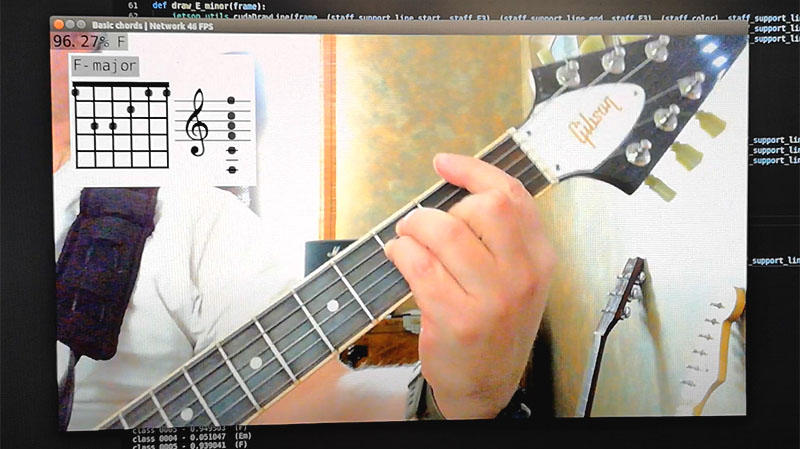
Learning guitar has never been easier thanks to technological advancements. Among these, AI guitar chord recognition has revolutionized the way musicians practice, allowing both beginners and seasoned players to understand songs and improve their skills faster. This guide will walk you through the process of using AI-powered tools, including how to get chords from YouTube video content, so you can maximize your practice sessions.
Understanding AI Guitar Chord Recognition
AI guitar chord recognition is a technology that uses artificial intelligence to detect and display the chords being played in a song. Unlike traditional chord charts, which require listening and manual transcription, AI tools analyze the audio in real-time or from recordings, making it easier for learners to follow along. These systems can identify complex chords, variations, and even transitions, giving musicians a detailed roadmap for practicing.
The primary advantage of AI chord recognition is accuracy. While manual methods rely heavily on the ear and experience, AI algorithms can process hundreds of audio patterns to produce precise chord sequences. This feature is especially beneficial for beginners who might struggle to distinguish subtle chord differences.
Choosing the Right AI Guitar Chord Recognition Tool
There are many platforms available for AI guitar chord recognition, each with unique features. When selecting one, consider the following:
- Ease of Use: A user-friendly interface allows you to focus on playing rather than navigating software.
- Compatibility: Ensure the tool supports your device, whether it’s a computer, tablet, or smartphone.
- Accuracy: Look for platforms with positive reviews regarding chord detection precision.
- Integration with YouTube: Some tools offer direct support to get chords from YouTube video, which is invaluable for learning popular songs.
Popular apps and software provide visual representations of chords, interactive fretboards, and even tempo adjustments for practicing at slower speeds.
Setting Up AI Guitar Chord Recognition
Once you’ve chosen a tool, the setup process is generally straightforward:
- Download or Access the Platform: Most AI chord recognition tools are available as apps or web-based software.
- Allow Microphone or Audio Access: If you want to analyze live playing, the software will need access to your device’s microphone.
- Upload Audio Files or Link Videos: To get chords from YouTube video, copy the video link into the software. Many platforms automatically process the audio and extract the chord progression.
- Adjust Settings: Set your preferred tuning, instrument type, and difficulty level. This ensures the tool provides chords in a format suitable for your skill level.
After setup, you’re ready to explore the AI’s capabilities and enhance your learning.
Learning Chords from YouTube Videos
Learning directly from YouTube has become increasingly popular because of the vast library of tutorials and performances. Using AI to get chords from YouTube video simplifies this process.
- Find the Song: Search for the desired song or tutorial on YouTube.
- Copy the Video Link: Most AI chord recognition tools require the link to process audio.
- Paste the Link in the Tool: Once submitted, the AI analyzes the audio to identify chord changes, duration, and patterns.
- View and Practice the Chords: The software will display a chord chart or a virtual fretboard showing where to place your fingers. Some platforms even allow looping difficult sections for repeated practice.
This approach saves hours compared to manually figuring out chords, especially for complex songs with unconventional progressions.
Practicing Effectively with AI Chord Recognition
To get the most out of AI chord recognition, integrate it into your regular practice sessions:
- Start Slow: Use the tool to slow down fast passages without altering pitch, allowing you to master chord transitions comfortably.
- Focus on Problem Areas: Loop sections where you struggle to ensure accuracy and fluency.
- Experiment with Variations: AI often suggests alternative chord shapes, helping you discover easier or more interesting ways to play.
- Track Progress: Some apps track which chords you struggle with, enabling targeted practice over time.
By leveraging AI guidance, players can reduce frustration and accelerate the learning curve.
Understanding Limitations
While AI chord recognition is powerful, it’s not perfect. Here are a few limitations to keep in mind:
- Complex Fingerpicking or Jazz Chords: Some highly complex chords may be approximated rather than precisely identified.
- Audio Quality Matters: Background noise or low-quality recordings can reduce accuracy.
- Interpretation May Vary: Different AI platforms might label chords differently depending on the algorithm.
Awareness of these limitations ensures you use the tool as a guide rather than an absolute authority.
Combining AI Tools with Traditional Learning
AI guitar chord recognition works best when combined with other learning methods. Practicing ear training, reading chord charts, and studying music theory enhances the benefits of AI tools. This combination develops both technical skill and musical intuition, ensuring long-term improvement.
Tips for Beginners
If you’re new to guitar, consider the following tips:
- Start with Simple Songs: Use AI to identify basic chord progressions before moving on to more complex pieces.
- Practice Regularly: Even with AI guidance, consistent practice is key to mastering chord changes.
- Use Visual Aids: Fretboard diagrams and interactive chord charts help reinforce learning.
- Be Patient: Mistakes are part of the process; AI helps minimize frustration but can’t replace practice.
By following these steps, beginners can quickly gain confidence and start playing their favorite songs with accuracy.
Advancing Your Skills
Intermediate and advanced players can use AI chord recognition to explore:
- Song Transcriptions: Quickly learn full songs without spending hours deciphering each chord.
- Improvisation and Composition: Understand chord structures to create your own progressions.
- Collaborative Learning: Share chord analyses with friends or teachers to enhance group practice sessions.
AI tools provide new ways to interact with music, making even complex songs approachable.
Conclusion
AI guitar chord recognition is a game-changer for guitarists at any level. By offering accurate chord detection, the ability to get chords from YouTube video, and interactive practice features, it streamlines the learning process and encourages more efficient practice sessions.
Whether you are a beginner struggling to understand chord shapes or an advanced player looking to analyze intricate songs, AI-powered tools provide invaluable support. Incorporating these technologies into your practice ensures that learning guitar is not only faster but also more enjoyable. With dedication and the right AI resources, mastering the guitar has never been more accessible.
By following this step-by-step guide, you can take full advantage of AI guitar chord recognition, making your journey from novice to proficient guitarist smoother and more engaging.