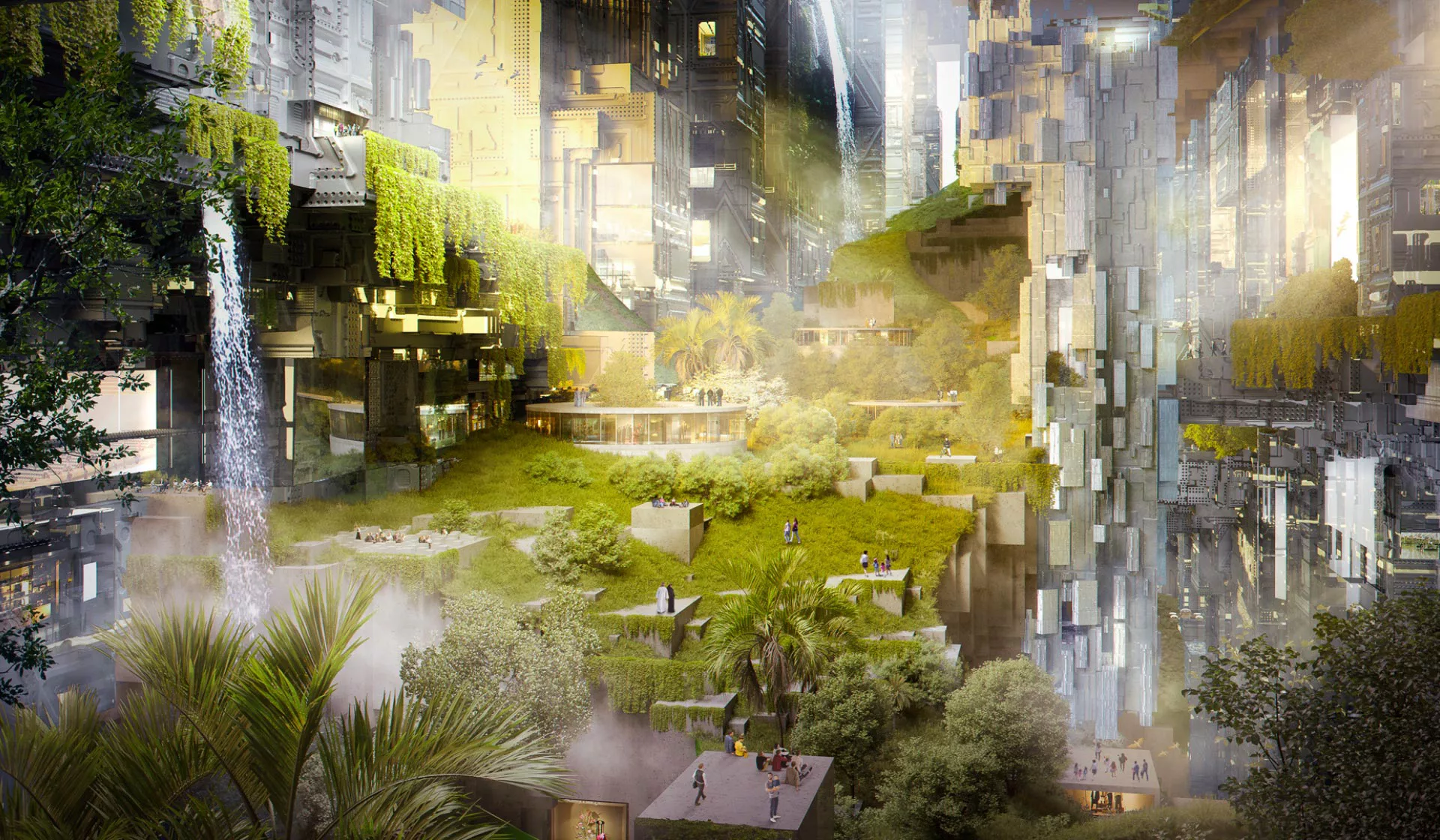
Urban planning and design in the 21st century is facing an unprecedented set of challenges and opportunities. Cities around the world are evolving rapidly due to population growth, technological advancements, environmental concerns, and shifting economic patterns. Balancing these dynamics requires innovative thinking, strategic policies, and a commitment to sustainable development. Among the key strategies shaping contemporary urban planning is rezoning, which plays a central role in redefining land use and urban growth patterns.
Urban Growth and Population Pressure
One of the most pressing challenges in urban planning today is managing the increasing population in cities. As rural populations migrate to urban centers in search of better opportunities, infrastructure and public services often struggle to keep pace. Overcrowding, traffic congestion, and strain on utilities like water and electricity are common consequences. Effective urban design must incorporate solutions such as high-density residential planning, mixed-use developments, and efficient public transportation systems.
Rezoning becomes a critical tool in this context, allowing planners to reclassify areas for residential, commercial, or mixed-use purposes. By strategically rezoning underutilized or outdated zones, cities can accommodate population growth without excessively expanding into greenfield areas, thus preserving natural landscapes and reducing urban sprawl.
Technological Advancements and Smart Cities
Technology offers both challenges and opportunities for urban planners. The rise of smart city initiatives, driven by digital infrastructure, Internet of Things (IoT) devices, and data analytics, allows for more efficient city management. Real-time monitoring of traffic, energy consumption, and public safety enhances decision-making and resource allocation. However, integrating these technologies into existing urban frameworks presents challenges in terms of cost, interoperability, and cybersecurity.
Urban planners must design spaces that are adaptable to technological change. Rezoning can facilitate the creation of smart districts or innovation hubs where tech-driven solutions can be implemented effectively. These zones can attract investment, foster economic growth, and create a platform for experimenting with new urban technologies without disrupting the wider city infrastructure.
Environmental Sustainability and Climate Resilience
Environmental considerations are now central to urban planning. Cities contribute significantly to global carbon emissions, and their infrastructure must be resilient to climate change impacts such as rising sea levels, heat waves, and extreme weather events. Urban designers are increasingly adopting green infrastructure solutions, including parks, green roofs, and permeable surfaces, to mitigate environmental impacts.
Rezoning policies can incentivize sustainable development by designating areas for eco-friendly construction, renewable energy projects, or urban agriculture. For example, industrial zones can be rezoned for mixed-use green developments, reducing environmental degradation and improving urban quality of life. Sustainable planning not only addresses ecological concerns but also enhances the health and well-being of urban residents.
Socioeconomic Inequality and Inclusive Design
Urban planning also faces the challenge of addressing social inequality. Many cities have stark disparities in access to housing, education, healthcare, and public amenities. Contemporary design must prioritize inclusivity by creating affordable housing, accessible public spaces, and transportation options that connect marginalized communities to economic opportunities.
Rezoning plays a significant role in promoting social equity. By reclassifying land for affordable housing or mixed-income developments, cities can prevent gentrification-driven displacement and ensure that growth benefits all residents. Strategic rezoning can also support the development of community hubs that provide education, healthcare, and recreational facilities, fostering inclusive urban environments.
Economic Development and Land Use Optimization
Economic considerations heavily influence urban planning decisions. Cities compete for investment, talent, and tourism, and land use policies can make or break these efforts. Urban planners must balance commercial, residential, and industrial demands while ensuring the city remains functional and attractive. Rezoning is a powerful mechanism to optimize land use, attract business development, and revitalize underperforming neighborhoods.
Adaptive rezoning allows cities to convert obsolete industrial areas into vibrant commercial or residential districts. Such transformations boost property values, stimulate local economies, and create employment opportunities. Effective rezoning requires careful analysis of market trends, demographic data, and community needs to ensure that changes are both economically viable and socially beneficial.
Cultural Preservation and Urban Identity
While contemporary urban planning emphasizes modernization, it must also respect cultural heritage and local identity. Historical districts, monuments, and traditional architecture are essential to a city’s character. Balancing modernization with preservation poses a challenge, as development pressures often threaten heritage sites.
Rezoning can aid in protecting cultural assets by designating heritage zones or limiting high-density construction in areas with historical significance. This approach allows cities to maintain their unique identity while accommodating growth, ensuring that modernization does not come at the expense of cultural richness.
Transportation and Mobility Challenges
Efficient transportation systems are vital to urban functionality. Congestion, pollution, and inadequate public transit are common issues in fast-growing cities. Contemporary urban design emphasizes multimodal mobility, integrating walking, cycling, buses, trains, and shared mobility services.
Rezoning supports the development of transit-oriented zones, encouraging higher density near public transport hubs. This reduces reliance on private vehicles, decreases emissions, and improves accessibility. By aligning zoning policies with transportation planning, cities can create more connected, efficient, and sustainable urban environments.
Community Engagement and Participatory Planning
Modern urban planning increasingly recognizes the value of community participation. Engaging residents in the planning process ensures that developments align with local needs and aspirations. Participatory planning fosters a sense of ownership, reduces opposition to projects, and leads to more resilient communities.
Rezoning proposals can benefit from community input, particularly when changes affect residential areas, commercial districts, or public spaces. Transparent processes, public consultations, and feedback mechanisms are essential to ensure that rezoning decisions are equitable and broadly supported.
Conclusion
Contemporary urban planning and design face a complex landscape of challenges, including population pressure, technological integration, environmental sustainability, socioeconomic inequality, and cultural preservation. Yet, these challenges are matched by opportunities to create smarter, greener, more inclusive, and economically vibrant cities.
Rezoning emerges as a central strategy for addressing many of these challenges. By enabling flexible land use, fostering sustainable development, promoting social equity, and facilitating technological and economic innovation, rezoning allows cities to adapt to rapidly changing circumstances.
The future of urban planning lies in holistic, adaptive approaches that balance growth with sustainability, modernization with heritage, and efficiency with inclusivity. Cities that embrace these principles, while leveraging tools like rezoning thoughtfully, will be best positioned to thrive in the dynamic landscape of contemporary urban development.
Urban planners, policymakers, and communities must collaborate closely to ensure that every decision—from land classification to transportation planning—is guided by long-term vision and resilience. By doing so, contemporary cities can transform challenges into opportunities, shaping urban environments that are functional, beautiful, and equitable for generations to come.