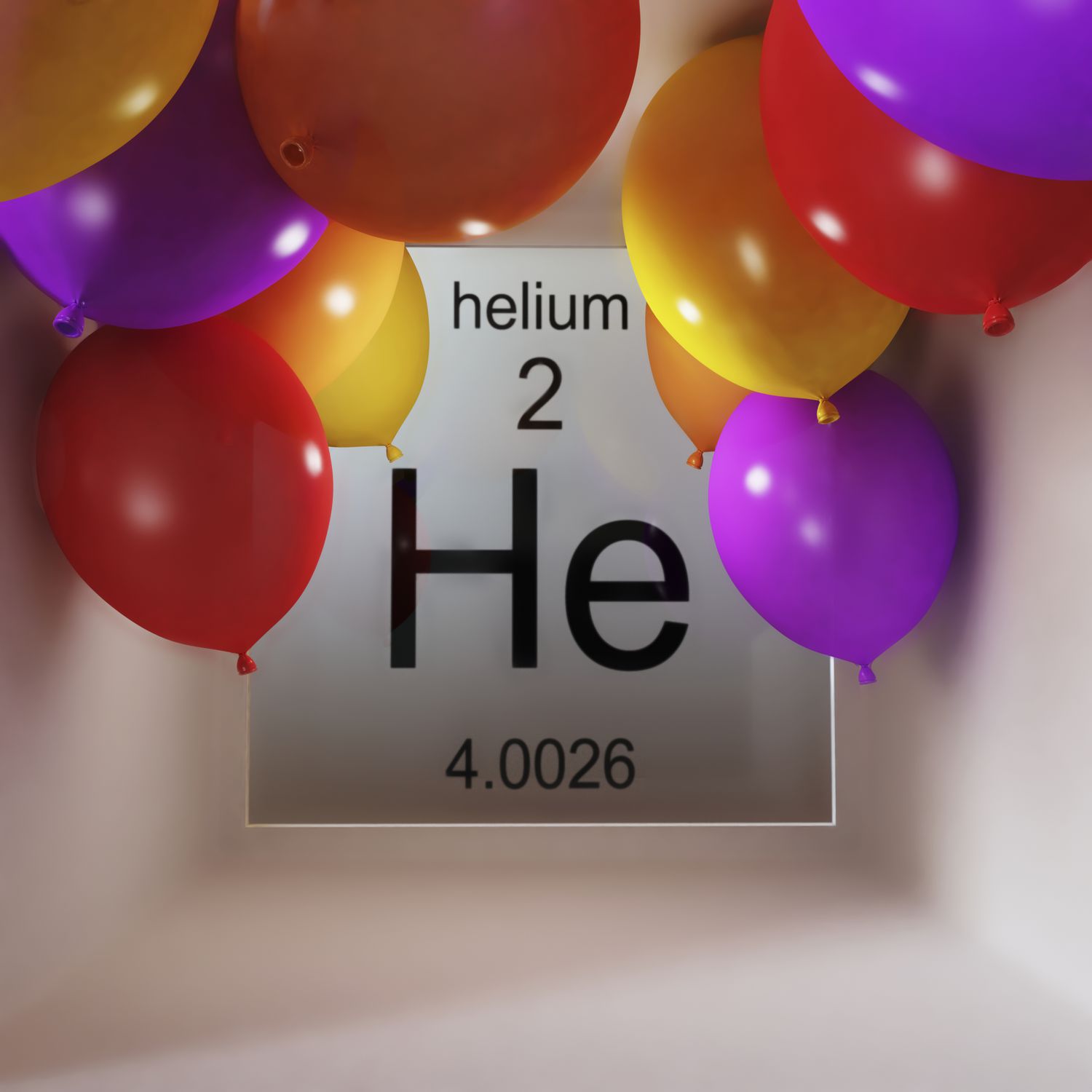
Helium is one of the world’s most important specialty gases, supporting industries that depend on extremely low temperatures, inert environments, leak detection, and advanced scientific applications. Although helium is commonly associated with balloons, its industrial importance extends much further. Medical imaging, semiconductor manufacturing, aerospace programs, fiber optics, laboratory research, and other high-technology sectors all rely on dependable helium supplies. Understanding helium capacity and production is therefore essential for appreciating how this valuable resource moves through the global supply chain.
Understanding Helium Capacity
Helium capacity refers broadly to the amount of helium that production facilities, processing plants, storage systems, or supply networks can produce, process, or make available during a particular period. Capacity can differ significantly from actual production because facilities may operate below their maximum potential due to maintenance, feed-gas availability, transportation limitations, market conditions, or technical challenges.
Unlike many industrial gases, helium is not manufactured economically on a large commercial scale. Most commercially available helium is recovered from natural gas reservoirs where the gas has accumulated over geological periods. This makes geological resources, extraction infrastructure, processing technology, and transportation networks important components of global helium supply.
A country’s helium capacity can therefore depend on more than the size of its natural resources. It also depends on investment in separation equipment, purification systems, storage infrastructure, pipelines, transportation facilities, and export capabilities.
How Helium Is Produced
Commercial helium production generally begins with natural gas containing a measurable concentration of helium. During natural gas processing, helium can be separated from other gases using specialized technologies. The resulting helium-rich stream undergoes additional purification to reach the specifications required by different end users.
Extraction From Natural Gas
Helium is usually recovered as a byproduct of natural gas processing. Raw natural gas may contain methane, nitrogen, carbon dioxide, helium, and other components. Processing facilities separate these materials through a series of treatment and purification stages.
The economics of helium recovery depend heavily on concentration. A reservoir containing a higher percentage of helium can potentially support more efficient recovery, while lower concentrations may require greater processing investment.
Purification and Processing
After extraction, helium must be purified for commercial applications. High-purity helium is especially important for sensitive applications such as semiconductor production, scientific research, and medical technologies.
Processing facilities may use multiple separation and purification techniques to remove nitrogen, methane, hydrogen, moisture, and other impurities. The final product can then be compressed or converted into liquid helium depending on customer requirements.
Major Factors Affecting Global Supply
Global helium supply is influenced by geology, infrastructure, technology, investment, transportation, and demand. Because helium resources are concentrated in specific regions, disruptions at major production facilities can affect international markets.
The availability of suitable natural gas reserves is one of the most fundamental factors. However, a resource cannot contribute to global supply unless appropriate infrastructure exists to extract and process it.
Infrastructure development is particularly important for expanding helium capacity. New projects may require wells, gathering systems, processing plants, purification equipment, pipelines, storage facilities, and transportation connections. These investments can take years to plan and develop.
The Role of Large-Producing Regions
Historically, the United States has been an important source of helium, supported by significant geological resources and established processing infrastructure. Other countries have also developed or expanded helium projects, increasing the geographic diversity of global supply.
Qatar, Algeria, Russia, and several other resource-rich regions have played roles in the international helium market. The development of additional projects can help diversify supply and reduce reliance on a small number of production areas.
However, the global market remains sensitive to production interruptions because helium cannot easily be replaced in many applications. Building additional capacity can improve resilience, but new projects must overcome technical, financial, regulatory, and logistical challenges.
Helium Storage and Transportation
Production is only one part of the helium supply chain. Storage and transportation are equally important because helium often travels long distances between production sites and industrial consumers.
Helium may be transported as compressed gas or as liquid helium. Liquid helium requires extremely low temperatures because its boiling point is close to absolute zero. Specialized containers are therefore necessary to minimize losses during transportation and storage.
Strategic storage can also help suppliers manage fluctuations in production and demand. Large storage systems allow helium to be held until it is required by customers, providing an important buffer when production temporarily declines.
Why Transportation Infrastructure Matters
The physical characteristics of helium make logistics more complicated than the transportation of many conventional industrial gases. Specialized equipment, cryogenic containers, shipping arrangements, and distribution networks may all be necessary.
A disruption at any stage of this chain can influence availability. For industries operating continuously, dependable distribution is therefore just as important as overall production capacity.
Demand From High-Technology Industries
Helium demand is closely connected to technological development. One of the most significant applications is magnetic resonance imaging, where liquid helium is used to cool superconducting magnets.
The semiconductor industry also uses helium in manufacturing processes because of its thermal properties and chemical inertness. Aerospace companies use helium for applications involving pressurization, testing, and specialized systems. Research laboratories rely on helium for cryogenic experiments and scientific instruments.
Other applications include leak detection, welding, fiber-optic manufacturing, analytical equipment, and controlled-atmosphere processes.
As these industries expand, demand can increase even when overall helium consumption remains relatively small compared with common industrial gases.
Challenges in Expanding Helium Capacity
Increasing global helium capacity is not straightforward. New production projects require substantial investment and access to suitable geological resources. Even when a promising reservoir is identified, developers must establish commercially viable extraction and processing systems.
Market volatility can also influence investment decisions. Companies must evaluate expected helium prices, production costs, infrastructure requirements, regulatory conditions, and long-term customer demand.
Another challenge is resource efficiency. Because helium is a finite natural resource and escapes into the atmosphere when released, recovery, recycling, and conservation can help improve supply security.
Recycling and Conservation
Helium recycling is increasingly important in applications where large quantities are consumed repeatedly. Research facilities and medical institutions, for example, may use recovery systems that capture helium for purification and reuse.
Improving recovery rates can reduce waste and lower dependence on newly extracted helium. Better handling practices throughout industrial facilities can also minimize unnecessary losses.
The Future of the Global Helium Supply Chain
Future helium markets will likely depend on a combination of new production projects, improved processing technology, recycling, storage, and more efficient consumption.
Expanding geographic diversity can make the supply chain more resilient. At the same time, technological improvements may increase the amount of helium recovered from existing resources and industrial processes.
Monitoring helium capacity is particularly important for manufacturers and industries that depend on uninterrupted supplies. Production capacity, operating rates, new projects, storage inventories, transportation infrastructure, and demand trends all contribute to the broader supply picture.
Conclusion
Helium may be lightweight and chemically simple, but its role in modern technology is substantial. From medical imaging and semiconductor manufacturing to aerospace and scientific research, numerous industries depend on reliable access to this unique gas.
Understanding helium capacity and production provides insight into the broader global supply chain. Natural resources establish the foundation, while extraction, purification, storage, transportation, and recycling determine how effectively helium reaches end users. As demand for advanced technologies continues to evolve, investment in responsible production, efficient processing, conservation, and supply-chain resilience will remain important to the future availability of helium worldwide.