Long nursing shifts require preparation, patience, and physical stamina. Nurses can spend many hours walking between rooms, standing beside patients, assisting with procedures, completing documentation, and responding to unexpected situations. By the final hours of a shift, tired feet, heavy legs, and mental fatigue can become difficult to ignore.
This a guide for nurses on long shifts focuses on realistic ways to prepare for extended working hours, maintain comfort during the day, and recover afterward.
Understand the Demands of a Long Shift
A long shift isn’t simply a normal workday with a few extra hours. The body and mind may experience repeated stress as the day continues.
Standing and walking can contribute to tired feet and legs. Repetitive movements may create stiffness, while continuous concentration can lead to mental fatigue.
Recognizing these demands is the first step toward creating a routine that supports your well-being.
Prepare Your Essentials in Advance
Preparation can save energy before the shift even begins.
Pack your meal, snacks, water bottle, uniform, and personal essentials ahead of time. Check your footwear and make sure everything you need is ready before leaving home.
A simple preparation routine can reduce last-minute decisions and help you start your shift calmly.
Get Adequate Sleep
Sleep is one of the most important parts of preparing for a long shift.
Whenever possible, protect your sleep schedule and avoid unnecessary interruptions. Nurses working nights may need to sleep during the day, so creating a dark and quiet bedroom can be particularly helpful.
If your schedule changes frequently, focus on getting enough total rest rather than expecting a perfect routine every day.
Eat Before Work
Starting a long shift without adequate food can make the day more difficult.
Have a meal that provides the type of nutrition you need before work. A combination of protein and carbohydrates, along with fruit or vegetables and other foods that suit your diet, can be a practical choice.
Avoid making your pre-shift meal unnecessarily complicated. Convenience matters when you’re preparing for a busy day.
Bring Snacks for Busy Periods
There may be days when your planned meal break happens later than expected.
Keeping practical snacks available can help you avoid going for many hours without eating. Choose options that are easy to store and fit your nutritional preferences.
The purpose isn’t to snack constantly. It’s simply to have something available when your schedule changes.
Choose Comfortable Footwear
Footwear is one of the most important considerations for nurses working long shifts.
Shoes should fit properly and provide appropriate support. Avoid footwear that causes rubbing, pressure, or discomfort.
Remember that your feet may feel very different after 10 hours than they do when you first put your shoes on. Evaluate comfort based on the entire shift rather than the first few minutes.
Consider Compression Stockings
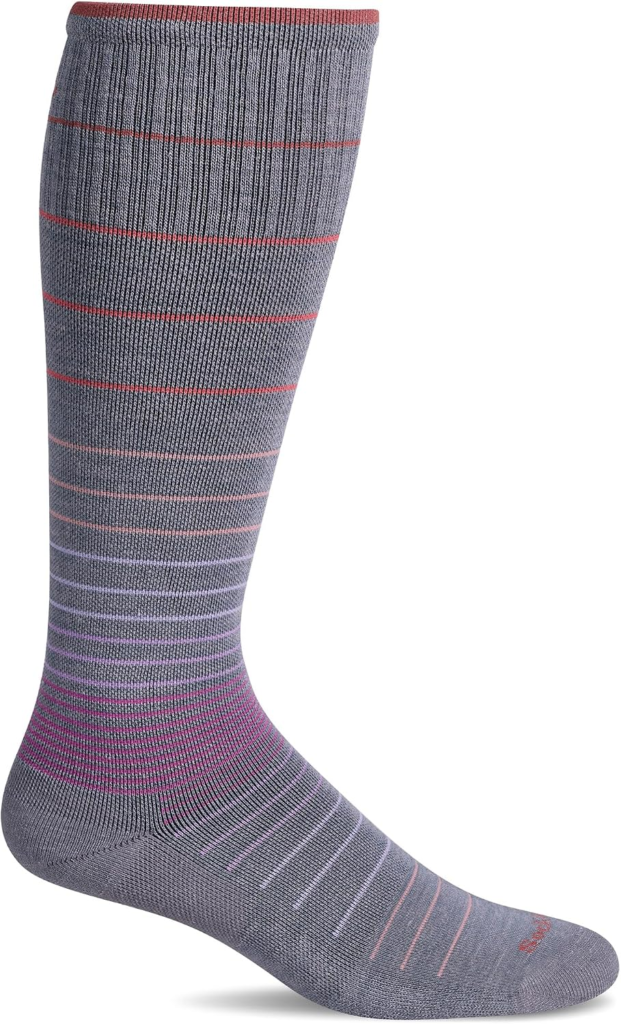
Compression stockings are another option some nurses consider when working extended hours on their feet.
They apply graduated pressure to the legs and are available in various compression levels. Some people use them to help manage certain forms of leg swelling or discomfort.
If you’re considering compression stockings because of ongoing symptoms, speak with a healthcare professional first. Certain medical conditions may require specific advice about whether compression is appropriate.
Stay Hydrated
Hydration can easily be forgotten during a busy shift.
When workplace rules permit, keep water available and use appropriate breaks as opportunities to drink. Avoid waiting until you feel extremely thirsty before thinking about hydration.
If you have specific medical instructions regarding fluid intake, follow those recommendations.
Take Your Scheduled Breaks
Breaks are an important part of managing long working hours.
Instead of using every break to complete additional tasks, use at least some of the time for recovery. Sit down, drink water, eat, and give your mind a chance to slow down.
Even a brief period of rest can be valuable after several hours of continuous activity.
Keep Your Body Moving
Nursing already involves plenty of movement, but prolonged standing and repetitive tasks can still cause stiffness.
When appropriate, change positions regularly. Gentle ankle movements, calf stretches, shoulder rolls, and other simple movements can be performed when your responsibilities allow.
Don’t force a stretch or movement if it causes pain.
Manage Your Energy
Pacing yourself can be helpful during a long shift.
Try to stay organized and prioritize tasks according to workplace procedures. Avoid unnecessary physical effort when there is a safer or more efficient approach.
The goal isn’t to move slowly. It’s to avoid using more energy than necessary early in the shift and then struggling later.
Protect Your Mental Focus
Mental fatigue can be just as challenging as physical tiredness.
Nurses need to remember information, monitor patients, communicate effectively, and make decisions throughout the day. Taking appropriate breaks can help provide a mental reset.
If you notice that fatigue is affecting your concentration or ability to work safely, follow your workplace procedures and communicate with the appropriate supervisor.
Use Caffeine Thoughtfully
Coffee and other caffeinated beverages can be useful for some nurses, especially during night shifts.
However, consuming too much caffeine or consuming it too close to your planned sleep period can make recovery more difficult.
Use caffeine according to your personal tolerance and remember that it cannot replace adequate rest.
Give Your Feet and Legs Time to Recover
After a long shift, your feet and legs may need time to relax.
Change into comfortable clothing and allow yourself some downtime. Gentle movement may be helpful if you feel stiff, while adequate sleep remains essential for recovery.
Persistent pain or significant swelling should not automatically be considered a normal part of nursing. Seek professional advice if symptoms concern you.
Create a Post-Shift Routine
A consistent post-shift routine can help your body transition from work to rest.
For example, you might have a meal, hydrate, shower, spend a short period relaxing, and then prepare for sleep.
The exact routine doesn’t matter as much as finding something that helps you recover without adding unnecessary demands to your schedule.
Prepare for Consecutive Shifts
When several long shifts are scheduled together, preparation becomes even more important.
Prepare meals in advance, protect your available sleep time, and organize your work essentials ahead of time.
Try to use the time between shifts for recovery rather than filling every available hour with additional responsibilities.
Know When to Seek Help
Long shifts can cause ordinary fatigue, but certain symptoms deserve professional attention.
Persistent pain, significant swelling, numbness, weakness, dizziness, or other unusual symptoms should not simply be ignored.
If you’re unsure whether something is normal or concerning, speak with an appropriate healthcare professional.
Make Self-Care Practical
Self-care doesn’t have to mean creating a complicated routine.
For nurses, practical self-care may simply mean having comfortable shoes, carrying water, preparing food, getting adequate sleep, taking appropriate breaks, and giving the body time to recover.
Small habits are often easier to maintain than major lifestyle changes.
Long-Shift Routine at a Glance
A practical routine can be divided into three stages:
Before work:
Prepare your meals and essentials, choose comfortable footwear, and prioritize adequate sleep.
During work:
Hydrate when appropriate, eat during scheduled breaks, change positions, manage your energy, and pay attention to signs of excessive fatigue.
After work:
Allow yourself to decompress, eat and hydrate, care for tired feet and legs, and prioritize recovery and sleep.
Final Thoughts
A guide for nurses on long shifts should recognize that extended nursing hours can be demanding on both the body and mind. Preparation won’t remove every challenge, but it can make the day more manageable.
Adequate sleep, comfortable footwear, balanced meals, regular hydration, appropriate compression support, scheduled breaks, movement, and recovery can all become part of a sustainable routine.
Nurses spend their working days caring for others. Making time to care for their own comfort and well-being is equally important for maintaining focus, energy, and safety throughout long shifts.