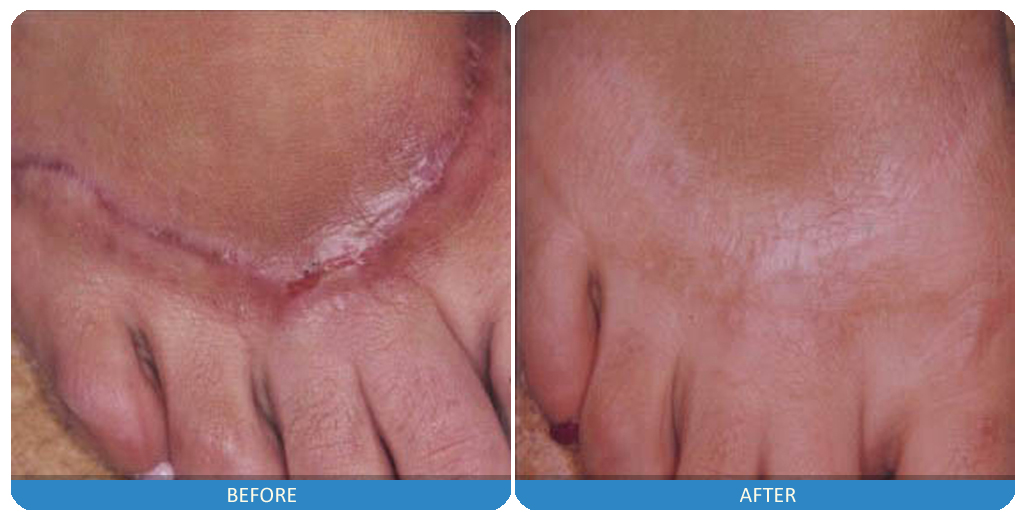
Scars are a natural part of the skin’s healing process, but they can sometimes remain visible long after an injury, surgery, acne breakout, or other skin condition has healed. While many scars fade with time, some may continue to affect the texture, tone, and overall appearance of the skin. For people looking to improve the appearance of noticeable scars, Laser Scar Removal treatments have become a popular option. These advanced procedures use targeted laser energy to encourage skin renewal, improve texture, and create a smoother and more even-looking complexion.
Understanding what to expect before, during, and after treatment can help you feel more prepared. Although results vary depending on the type of scar, skin characteristics, and treatment approach, laser technology can provide a customized way to address many common scar concerns.
Understanding How Laser Scar Removal Works
Laser Scar Removal is a cosmetic treatment designed to improve the appearance of scars by using controlled light energy. Depending on the laser technology selected, the procedure may remove damaged outer layers of skin, heat deeper tissue, or stimulate the body’s natural production of collagen.
Collagen is an important structural protein that helps keep skin firm, smooth, and resilient. When laser energy stimulates collagen remodeling, the skin may gradually become more even in texture. Over time, this process can help soften the appearance of certain scars and make them less noticeable.
Different lasers are suitable for different scar types. Fractional laser treatments, for example, create microscopic treatment zones in the skin while leaving surrounding tissue intact. This approach can encourage the body’s natural healing response while supporting new collagen formation. Other laser technologies may be selected to target redness, discoloration, or specific pigmentation associated with scars.
Which Types of Scars Can Be Treated?
One of the first steps in any Laser Scar Removal journey is determining what type of scar you have. Not all scars respond in the same way to laser treatment, so a professional assessment is important.
Acne scars are among the most common concerns treated with laser technology. Depending on their depth and shape, certain acne scars may respond well to treatments that encourage collagen remodeling and improve uneven skin texture.
Surgical scars may also be treated once the wound has fully healed. Laser procedures can sometimes help reduce the visibility of certain scars by improving texture, color, and overall appearance.
Injury-related scars can vary significantly. Some may be raised, while others may appear indented or discolored. A qualified professional can evaluate the scar and determine whether laser treatment may be appropriate or whether it should be combined with another approach.
Stretch marks are also sometimes addressed with laser-based skin resurfacing techniques. While they are not traditional scars, they involve changes in the deeper layers of the skin and may benefit from treatments designed to stimulate collagen and encourage skin renewal.
What Happens During Your Consultation?
Before undergoing Laser Scar Removal, you will typically have a consultation with a qualified skincare professional or medical provider. During this appointment, the provider will examine the scar, discuss your concerns, and review your medical and skincare history.
You may be asked about previous treatments, medications, allergies, and any conditions that could affect healing. The provider may also ask how long you have had the scar and whether it has changed over time.
Your skin type and tone are also important considerations. Certain laser technologies may carry a greater risk of temporary pigmentation changes in some skin types, so selecting the right treatment settings and technology is essential.
The consultation is also an opportunity to discuss realistic expectations. Laser treatments can significantly improve the appearance of some scars, but they may not completely erase them. The goal is generally to make scars less noticeable and help the skin appear smoother and more uniform.
What to Expect During the Treatment
The exact experience depends on the type of laser being used and the size and location of the treatment area. Before the procedure begins, the skin is usually cleansed, and a topical numbing cream may be applied to improve comfort.
During treatment, the laser device delivers controlled energy to the targeted area. You may feel warmth, mild stinging, or a sensation similar to tiny pinpricks. The experience varies from person to person and may depend on the intensity of the treatment.
A session may take anywhere from a few minutes to longer, depending on the size of the area being treated. Your provider will explain what you can expect and may provide specific instructions for preparing your skin before the appointment.
For some people, multiple sessions are recommended rather than one intensive treatment. A series of treatments allows the skin to gradually respond to collagen stimulation and renewal while giving it time to recover between appointments.
Recovery and Aftercare
After Laser Scar Removal, it is normal to experience some temporary redness, swelling, sensitivity, or a warm sensation in the treated area. Depending on the laser used, the skin may also feel similar to a mild sunburn.
Your provider will give you detailed aftercare instructions. These may include keeping the skin moisturized, avoiding unnecessary sun exposure, and using broad-spectrum sunscreen as directed. Sun protection is especially important because recently treated skin may be more sensitive to ultraviolet radiation.
You may also be advised to temporarily avoid certain skincare products, particularly those containing strong exfoliating ingredients or other active compounds. Following professional instructions can support proper healing and reduce the risk of irritation.
The recovery period varies. Some non-ablative treatments may involve minimal downtime, while more intensive resurfacing procedures may require a longer healing period. It is important to allow your skin enough time to recover and avoid picking, scratching, or unnecessarily touching the treated area.
When Will You See Results?
One of the most important things to understand about Laser Scar Removal is that results are often gradual. While some improvements may become visible after the skin heals, deeper changes can continue developing over several weeks or months.
This is because collagen remodeling takes time. As the body produces and reorganizes collagen, the treated skin may gradually appear smoother and more refined.
The number of sessions required depends on factors such as scar depth, scar type, skin condition, and the specific laser technology used. Some people may notice meaningful improvement after a small number of sessions, while others may require a longer treatment plan.
Your provider can create a personalized schedule based on your skin’s response and the goals you want to achieve.
Are Laser Treatments Right for Everyone?
Laser Scar Removal can be effective for many people, but it is not suitable for every individual or every type of scar. Certain medical conditions, active skin infections, recent tanning, or medications may affect whether laser treatment is appropriate.
People with a history of abnormal scarring may also require special consideration. A professional evaluation is essential before starting treatment.
It is equally important to choose a qualified and experienced provider. Laser procedures require careful selection of technology and settings, particularly when treating different skin tones. An experienced professional can assess your skin and scar characteristics and recommend an appropriate treatment strategy.
Maintaining Your Results
Once your treatment course is complete, maintaining healthy skincare habits can help support the appearance of your results. Daily sun protection is one of the most important steps because UV exposure can contribute to pigmentation changes and premature skin aging.
A gentle skincare routine, adequate hydration, and following professional recommendations can also help maintain healthier-looking skin. Your provider may suggest specific products or treatments based on your individual needs.
It is also important to remember that scars are part of the body’s natural healing process. The goal of treatment is not necessarily to make the scar disappear completely but to reduce its visibility and improve the overall texture and appearance of the skin.
A Smoother-Looking Future for Scarred Skin
Choosing Laser Scar Removal can be an important step for people who want to improve the appearance of scars and achieve a more even-looking complexion. From acne scars and surgical marks to certain injury-related scars, laser technology offers several treatment approaches that can be customized to individual skin concerns.
By understanding the treatment process, recovery expectations, and importance of professional guidance, you can make a more informed decision about whether laser treatment is right for you. With realistic expectations and an appropriate treatment plan, laser-based skin resurfacing may help soften the appearance of scars, encourage collagen renewal, and reveal skin that looks smoother, more refined, and more even over time.