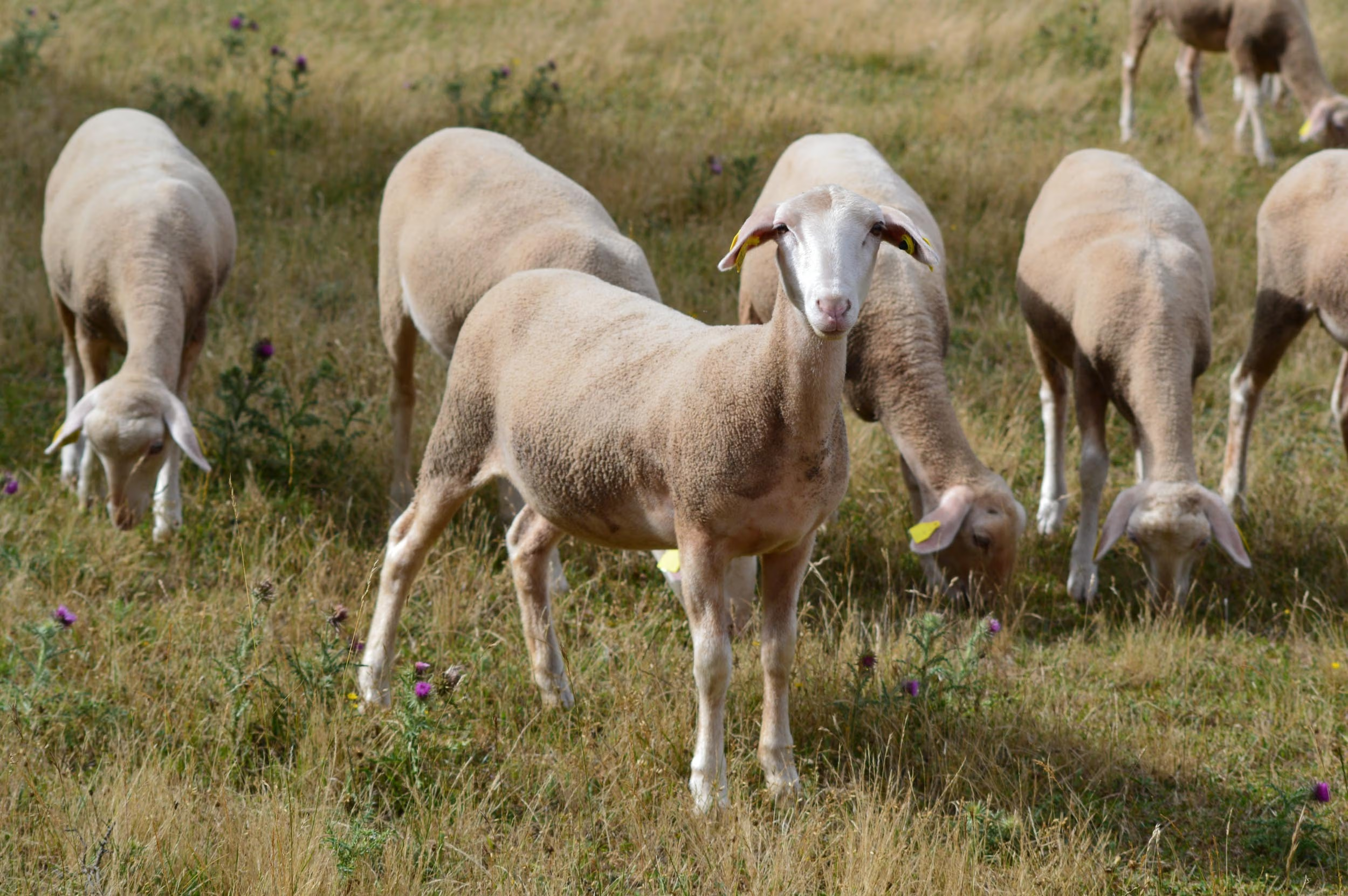
Introduction to Lacaune Sheep
Lacaune sheep are widely recognized as one of the finest dairy sheep breeds in the world. Originating from southern France, these remarkable animals have gained global attention for their exceptional milk production and their vital role in producing some of the most celebrated cheeses. When discussing high-quality dairy sheep, Lacaune sheep consistently stand out due to their productivity, adaptability, and contribution to premium dairy products.
Over the years, Lacaune sheep have become synonymous with excellence in sheep farming. Their ability to produce rich, flavorful milk makes them a top choice for farmers and cheese producers alike. As demand for specialty cheeses continues to grow, the importance of Lacaune sheep in the dairy industry becomes even more significant.
Origin and History of Lacaune Sheep
Lacaune sheep trace their roots to the Languedoc region of France, particularly around the Roquefort area. Historically, these sheep were bred not only for milk but also for meat and wool. However, over time, selective breeding focused on improving their dairy traits, leading to the highly specialized Lacaune sheep we know today.
The breed gained international recognition due to its association with Roquefort cheese, one of the most famous blue cheeses in the world. Strict regulations require that authentic Roquefort cheese be made exclusively from the milk of Lacaune sheep. This connection has cemented the breed’s reputation as a cornerstone of premium cheese production.
Physical Characteristics of Lacaune Sheep
Lacaune sheep are medium-sized animals with a sturdy and well-balanced build. They typically have a white face and body, with minimal wool on the head and legs. This physical structure makes them easier to manage and maintain, especially in dairy operations.
Their udders are well-developed and designed for efficient milking, which is one of the key reasons Lacaune sheep are preferred in commercial dairy farming. They are also known for their calm temperament, making them easier to handle compared to more temperamental breeds.
Milk Production and Quality
One of the most impressive features of Lacaune sheep is their exceptional milk production. On average, a Lacaune ewe can produce between 250 to 400 liters of milk per lactation period, depending on management practices and environmental conditions. This level of productivity places Lacaune sheep among the top dairy sheep breeds globally.
The quality of milk produced by Lacaune sheep is equally remarkable. It is rich in fat and protein, which are essential for cheese-making. This high-quality milk contributes to the creamy texture and complex flavors found in premium cheeses.
Additionally, the consistency of milk production in Lacaune sheep makes them a reliable choice for farmers who aim to maintain steady dairy output throughout the season.
Role in World-Class Cheese Production
Lacaune sheep play a central role in the production of some of the world’s most renowned cheeses. Their milk is particularly valued for making blue cheeses, including the famous Roquefort. The unique composition of Lacaune sheep milk allows for excellent fermentation and aging, resulting in cheeses with distinctive taste profiles.
Beyond Roquefort, Lacaune sheep milk is also used in a variety of artisanal and specialty cheeses across Europe and beyond. Cheesemakers appreciate the versatility of this milk, as it can be used to create both soft and hard cheeses with exceptional flavor and texture.
As global interest in gourmet and artisanal foods increases, the demand for cheese made from Lacaune sheep milk continues to rise, further enhancing the breed’s importance in the dairy industry.
Advantages of Raising Lacaune Sheep
There are several reasons why farmers choose Lacaune sheep for dairy production. One of the main advantages is their high milk yield, which ensures better returns on investment. Compared to many other sheep breeds, Lacaune sheep offer a more efficient conversion of feed into milk.
Another advantage is their adaptability. Lacaune sheep can thrive in various climates, although they perform best in well-managed environments. Their resilience makes them suitable for both small-scale farms and large commercial operations.
Their manageable temperament is also a significant benefit. Farmers find Lacaune sheep easier to handle during milking and general care, which reduces labor challenges and improves overall farm efficiency.
Feeding and Management Practices
Proper feeding and management are essential to maximize the productivity of Lacaune sheep. A balanced diet that includes high-quality forage, grains, and necessary supplements is crucial for maintaining optimal milk production.
Clean water, adequate shelter, and regular health monitoring are also vital components of effective sheep management. Since Lacaune sheep are primarily raised for dairy purposes, maintaining udder health is particularly important. Regular milking routines and hygienic practices help prevent infections and ensure high-quality milk output.
Breeding programs also play a key role in maintaining the genetic quality of Lacaune sheep. Selective breeding helps improve milk yield, disease resistance, and overall performance.
Global Popularity of Lacaune Sheep
Although Lacaune sheep originated in France, their popularity has spread worldwide. Countries across Europe, North America, and even parts of Asia have adopted this breed for dairy farming.
The global expansion of Lacaune sheep is largely driven by the increasing demand for sheep milk products, especially cheese. Farmers looking to enter the specialty dairy market often choose Lacaune sheep due to their proven performance and profitability.
Their success in different regions highlights their adaptability and reinforces their reputation as one of the best dairy sheep breeds available.
Challenges in Raising Lacaune Sheep
Despite their many advantages, raising Lacaune sheep does come with certain challenges. One of the primary concerns is the need for proper management and nutrition. Without adequate care, their milk production can decline significantly.
Additionally, initial investment costs can be relatively high, especially for farmers who are new to dairy sheep farming. Purchasing quality breeding stock and setting up proper milking facilities require careful planning and financial commitment.
Health management is another critical aspect. Like all livestock, Lacaune sheep are susceptible to diseases, and regular veterinary care is necessary to maintain herd health.
Future of Lacaune Sheep in Dairy Farming
The future of Lacaune sheep looks promising as the demand for high-quality dairy products continues to grow. With advancements in breeding techniques and farm management practices, the productivity and efficiency of Lacaune sheep are expected to improve even further.
Sustainable farming practices are also becoming more important, and Lacaune sheep fit well into these systems due to their efficient milk production and adaptability. As consumers increasingly seek natural and artisanal products, the role of Lacaune sheep in the dairy industry will likely expand.
Conclusion
Lacaune sheep have firmly established themselves as a premium dairy breed that plays a crucial role in the production of world-class cheese. Their exceptional milk yield, high-quality milk, and adaptability make them a valuable asset for farmers and cheesemakers alike.
From their origins in France to their global presence today, Lacaune sheep continue to set the standard for dairy sheep farming. As the demand for specialty cheeses grows, these remarkable animals will remain at the heart of the industry, delivering quality and excellence with every drop of milk.